

Our Top Priorities
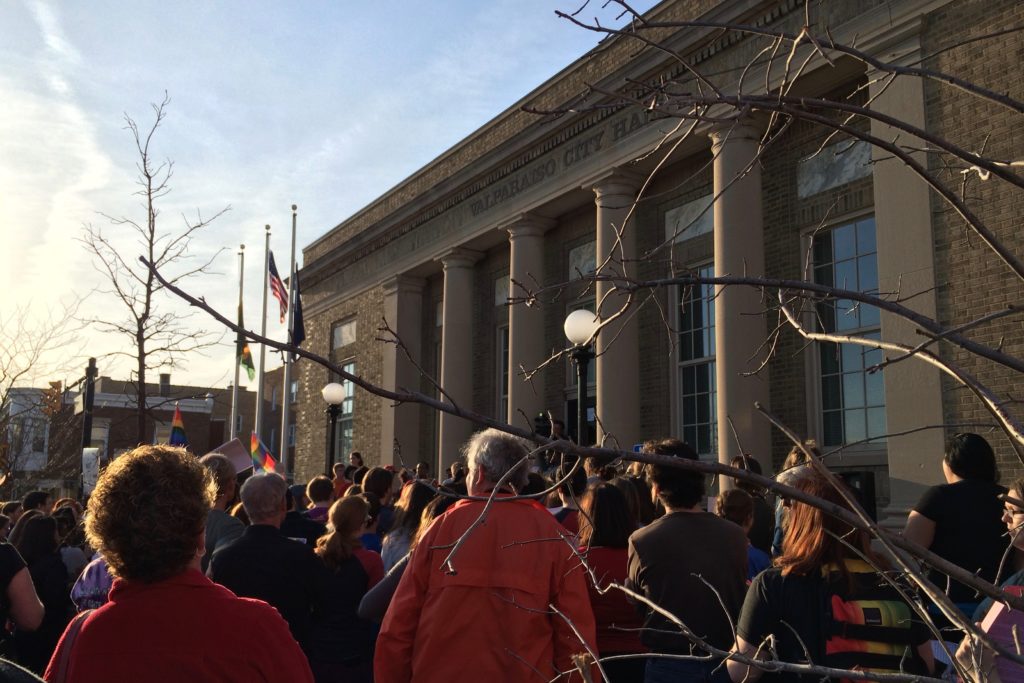
Open Our City To More Voices
“Cities have the capability of providing something for everybody, only because, and only when, they are created by everybody.”
- Jane Jacobs, author of The Death and Life of Great American Cities
Action Plan
As was demonstrated in the ValpoNEXT city-wide, long-term vision plan, good government requires being open to every citizen who is willing to get involved, understand what's going on, and make a contribution. But citizen engagement shouldn't happen once per generation. It needs to be ongoing. And we must make our city's finances and activities more accessible and transparent to all citizens.
- Continue to support ValpoNEXT as the primary citizen engagement platform for city residents
- Make our financial picture simple and clear for all to see
- Assure that appointees to boards and commissions are committed to transparency
- Create a digital engagement platform for citizens who cannot attend public hearings in real-time
- Simplify and upgrade the city's website and other digital assets
- Establish a "311" line for non-emergency city services
Support Our Local Businesses
"48 percent of each purchase at local independent businesses was recirculated locally, compared to less than 14 percent of purchases at chain stores."
Source: The American Independent Business Alliance
Action Plan
Small businesses give our city its unique texture and vibe. And they ensure that more of the value created here stays here. We can make it easier for our civic entrepreneurs to express themselves, bring goods to market, create jobs, find growth opportunities, and enrich the quality of our whole community.
- Connect entrepreneurs with the advisors and capital they need to grow and flourish
- Allow the business district shops to reflect the creativity of the people who run them
- Encourage public arts to be created and displayed organically to seed development of an arts district
- Evaluate and reform development incentives to ensure an adequate return on taxpayers' investments is received
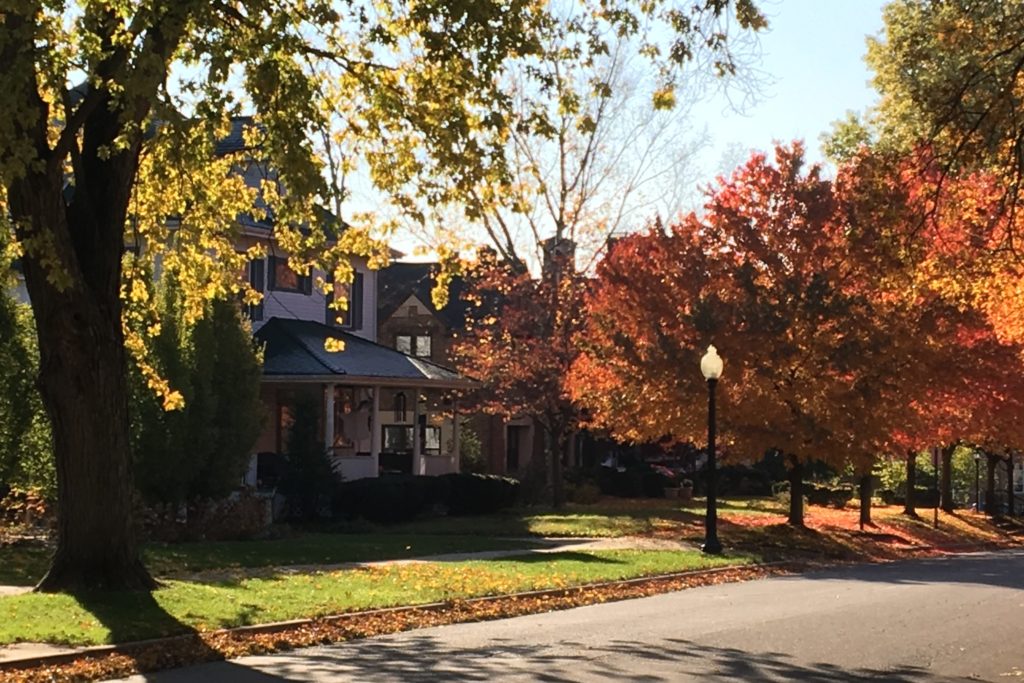
Strengthen Our Neighborhoods & Non-Profits
“The essential challenge is to transform the isolation and self-interest within our communities into connectedness and caring for the whole.”
- Peter Block, author of Community, The Structure of Belonging
Action Plan
Great cities have great neighborhoods. And we are fortunate to have some strong ones. But we can enhance the capacity of neighborhood groups and non-profits to make our city more safe, healthy and caring.
- Create a streetscape and sidewalk repair reimbursement program
- Develop a greenway through our city parks and neighborhoods
- Support the formation of neighborhood associations in areas lacking one
- Cut red tape for non-profits working on quality-of-life issues such as transit, housing and health
- Implement safety measures at railroad crossings to qualify for quiet zone status
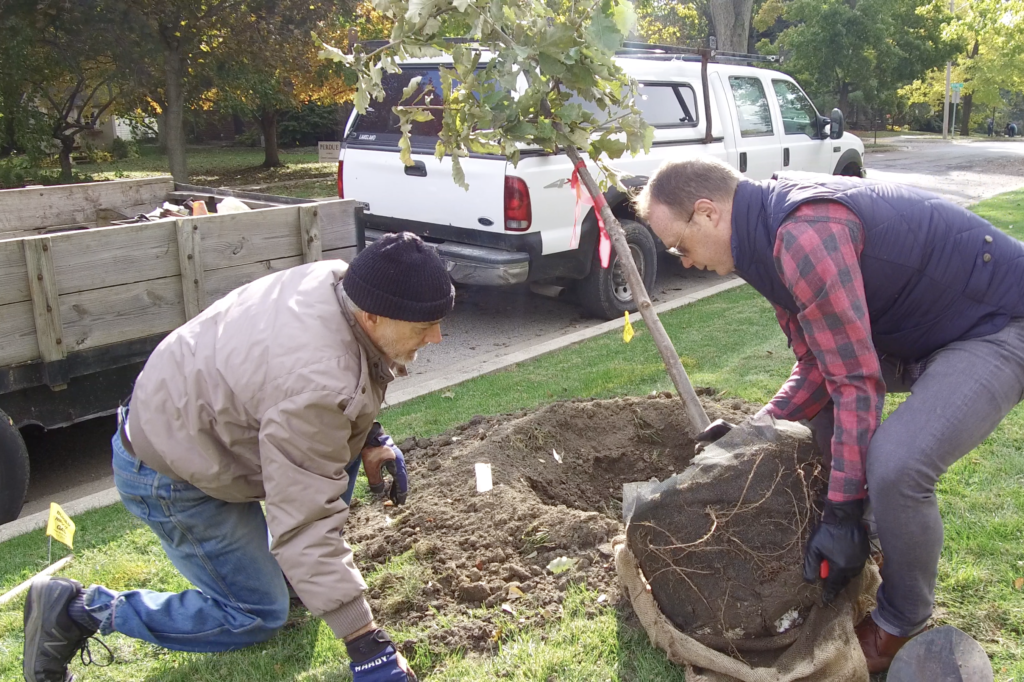
Embed Sustainability In Our Operating And Growth Plans
“We can't wait around for a big developer or a mega-project to fix our cities. The kind of development we need today happens at the scale of a Strong Citizen, someone who cares about the place they live.”
- Charles Marohn, founder of Strong Towns
Action Plan
When it comes to our shared future, we should dream BIG. But in achieving those dreams, we must work step-by-step toward our goals, paying close attention to environmental and market feedback along the way. Setbacks and unintended consequences are inevitable. But an incremental and environmentally sensitive approach will assure the growth we achieve will be productive and sustainable.
- Demonstrate leadership in “green” operations to reduce our environmental footprint, beginning with an audit of our practices
- Activate city parks and neighborhoods through enhanced programming, cleanup and beautification efforts, and tree-planting campaigns
- Study and test curbside compost pickup services
- Assess long-term tax revenues and maintenance obligations in planning for expiration of tax-increment financing (TIF) allocation areas
- Evaluate the viability of city services that rely on substantial federal, state, or other outside funding sources